Friday, October 20th, 2006
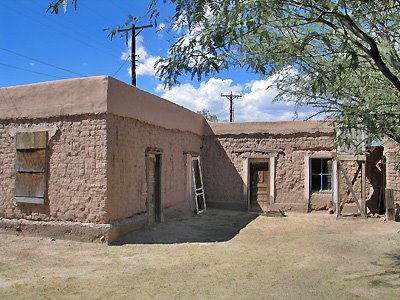
All the early structures in Mesilla were adobe, and many, many adobe structures remain in use. Here’s an adobe house a couple of blocks off the plaza that’s being renovated.
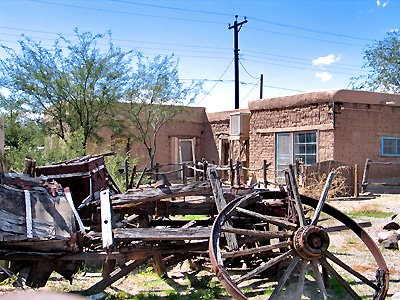
Before the arrival of Spaniards, Native Americans were building using dried mud. But they didn’t use bricks. They built by drying the mud in layers. Building with mud bricks was introduced by the Spaniards, and it’s structures built with these bricks which are called adobe.
Almost all the early adobe houses are long and narrow, or L-shaped like this one.
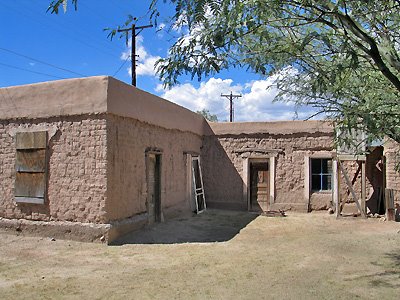
Two features that characterize adobe structures are recessed doors and windows with wooden lintels, as you see here. The recessing is due to the thickness of the walls, which can be two feet or more. The thick walls keep the interior cool in the summer and warm in the winter.
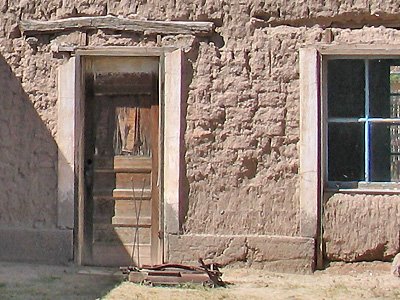
Before hard plaster was available, the external and internal surfaces were plastered with mud. Hard plaster is vastly superior, providing a water-proof, durable surface.
In this case, it appears that the outside plaster below the top cap has been removed, probably because it was in bad shape. This will certainly be replaced during the renovation.
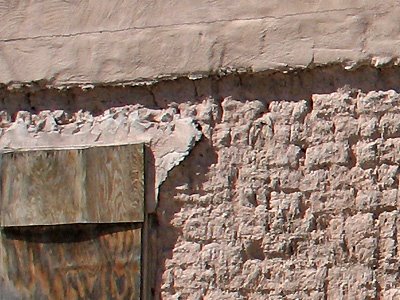
The smoothness of this wall, and the rounded corner, show it’s been exposed to the weather a long time

Tags: Adobe
Tuesday, October 17th, 2006
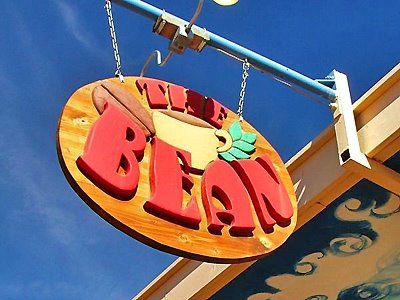
The best place in town for coffee:
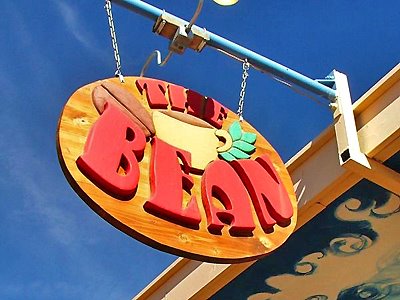
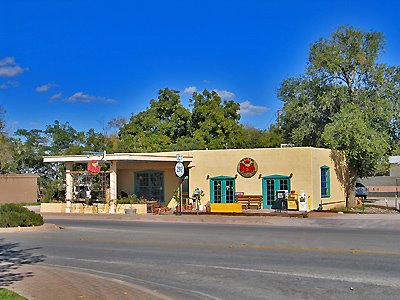
The Bean coffee shop is located on the east side of Mesilla, across the highway from the old town.
Tags: The Bean of Mesilla, Coffee Shop
Monday, October 16th, 2006
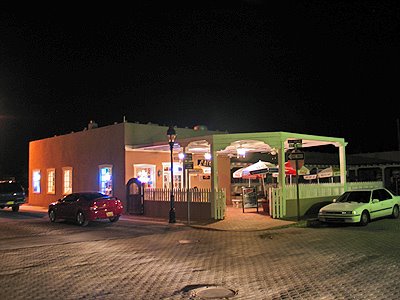
Chile rellenos any one?
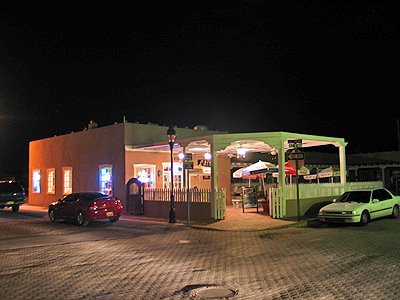
Cafe Don Felix is located opposite the southwest corner of Mesilla plaza. Sit on the patio at night and enjoy our great fall weather and great food.
Tags: Cafe Don Felix
Sunday, October 15th, 2006
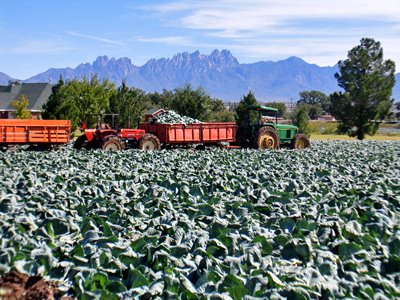
The harvest begins.

Tags: Cabbage Harvest
Monday, October 9th, 2006
The local chile harvest is almost over.
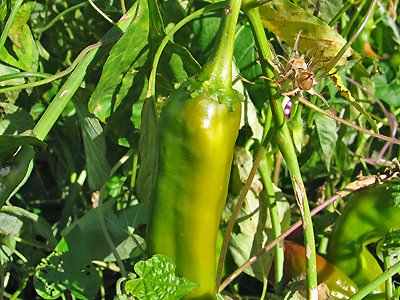
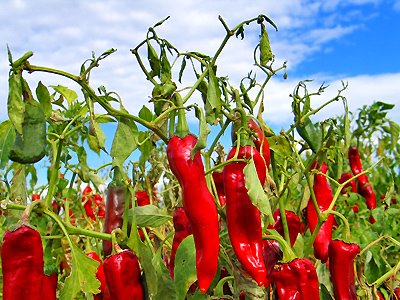
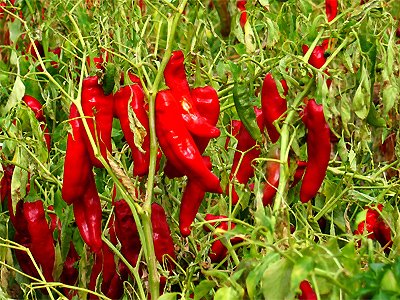
Chile pods can be picked green or red. The pods, green initially, turn red when older.
Green chiles are eaten in many ways, chile rellenos being perhaps the most famous. Red chiles are used for spicing and sauces.
Here’s a green chile two days before its harvest:
Here are red chiles from the same field. Because the pods mature at different times, a field will have both green and red.
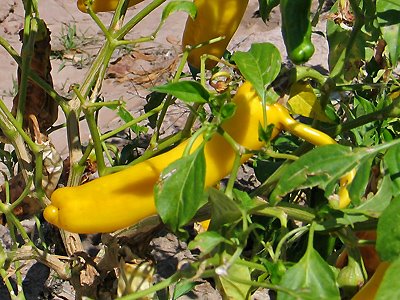
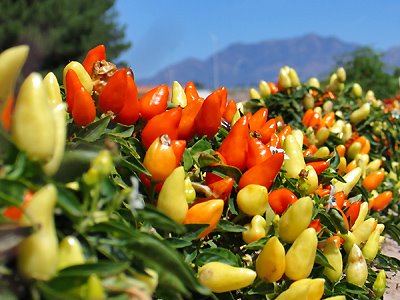
Here’s a banana pepper:
Here are cherry peppers:
Tags: Chiles, Chile Rellenos, Peppers
Saturday, October 7th, 2006
The “harvest” moon rising this evening.
The moon tonight appeared 12 degrees wider than usual, due to moon’s position in relation to the earth.
Tags: Moonrise, Harvest Moon
Thursday, October 5th, 2006
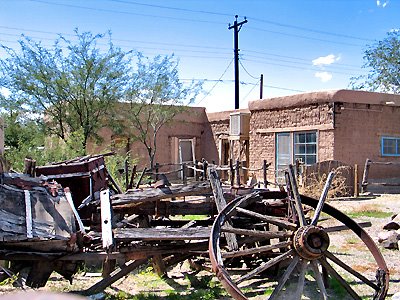
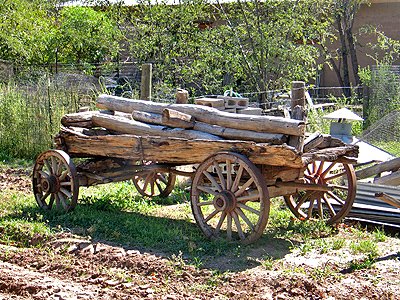
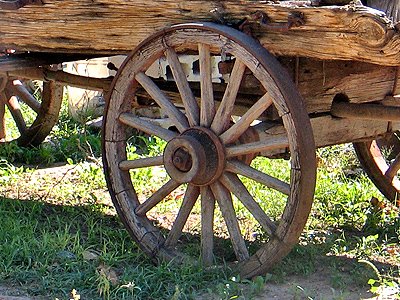
Before mechanical transport, hundreds of thousands of tons of goods were transported to Mesilla using freight wagons like this.
One early pioneer account, for example, relates an instance when 400 freight wagons were used to transport $100,000 worth of stores to Mesilla. These wagons were pulled by horses or mules.
Tags: Freight Wagon
Tuesday, October 3rd, 2006
Sunday at 4 pm at the Mesilla Plaza is the place to be if you like music and folk dance. That’s when the free Mariachi concerts begin, to be held every Sunday until November 5.
Mariachi – what does it mean? Oddly enough, no one seems to know for certain. The most accepted theory is that it comes from one of the languages native to Mexico before the Spanish invasion and conquest.
A Mariachi band consists of multiple violins, two trumpets, several kinds of guitars, and usually a folk harp. Besides a standard guitar, a Mariachi band has a high-pitched guitar and a base-rhythm guitar.
Tags: Mariachi
Sunday, October 1st, 2006
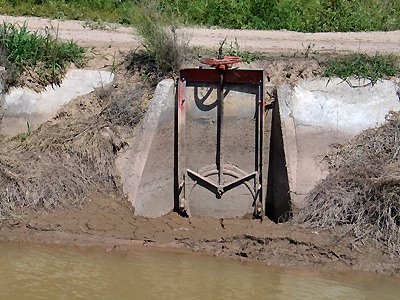
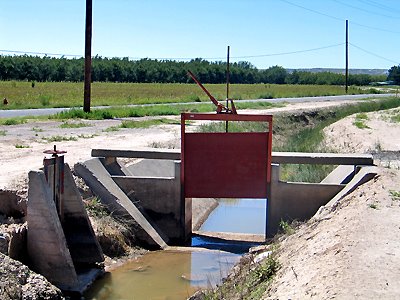
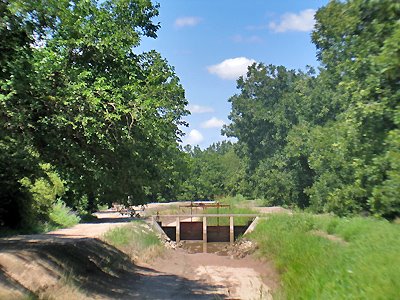
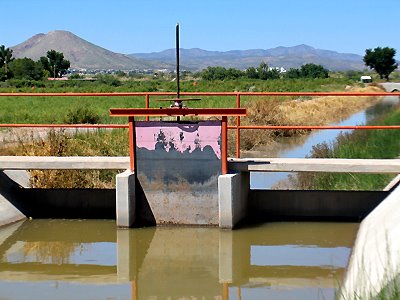
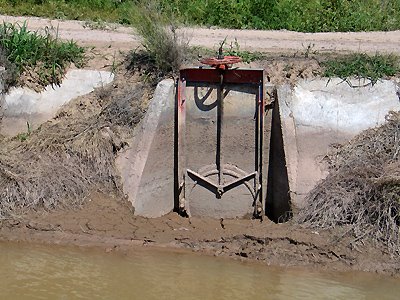
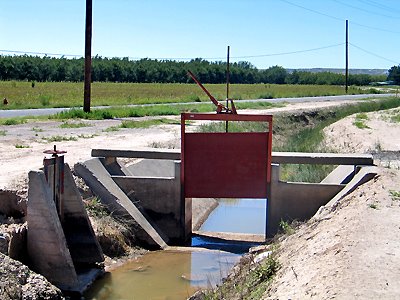
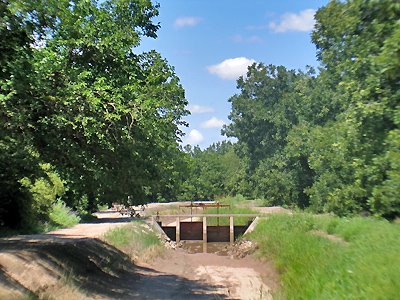
Mesilla is criss-crossed with ditches and canals. This irrigation system goes back to the founding of Mesilla.
The Rio Grande is the source of the water. The gates enable the water to be directed to specific places at specific times in specific amounts.
Tags: Irrigation Gates